Personal Project
2023
Science Communication, Game Design, Illustration
Ripple
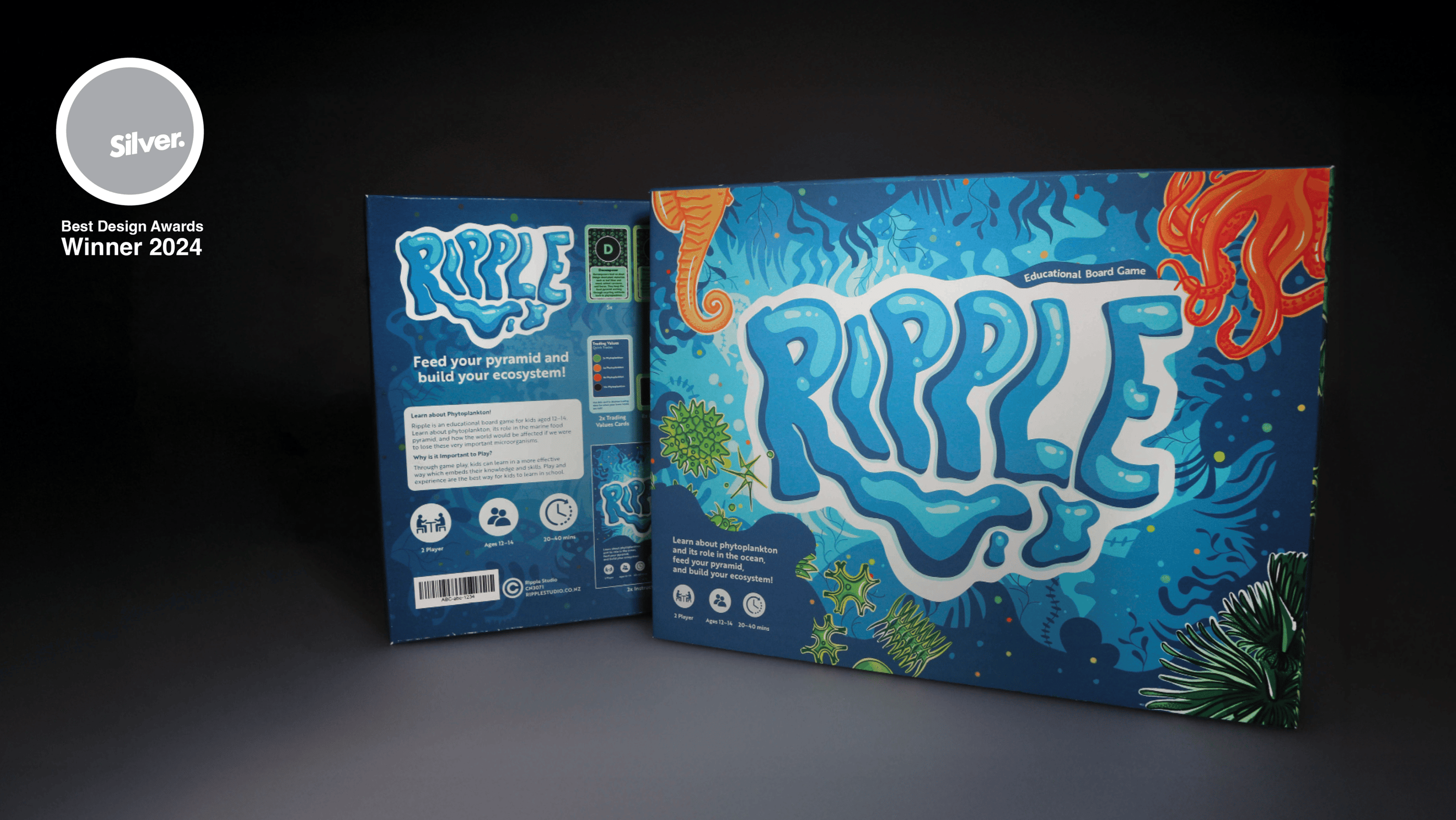

Facilitating the protection of the planet's long-term health.
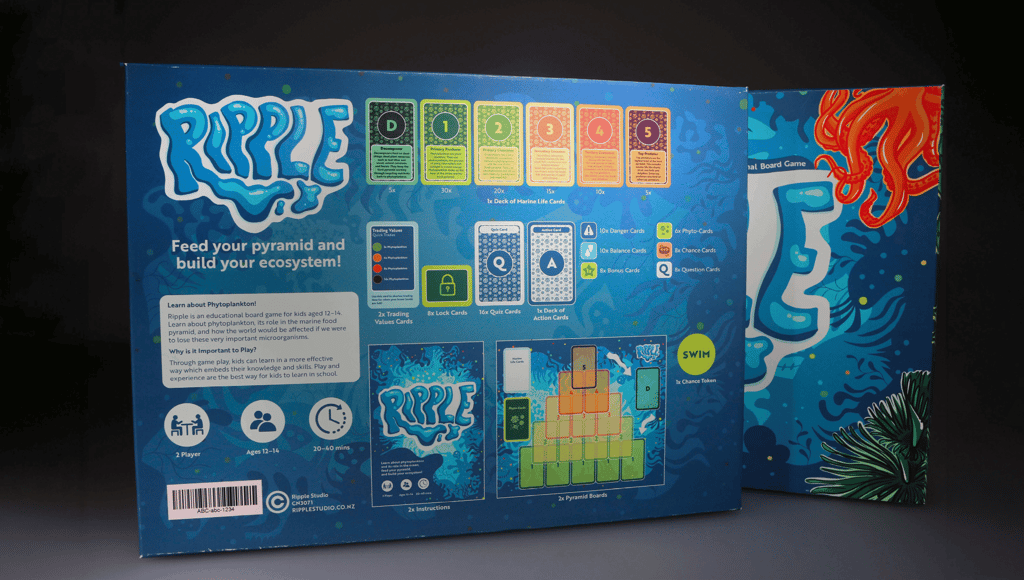
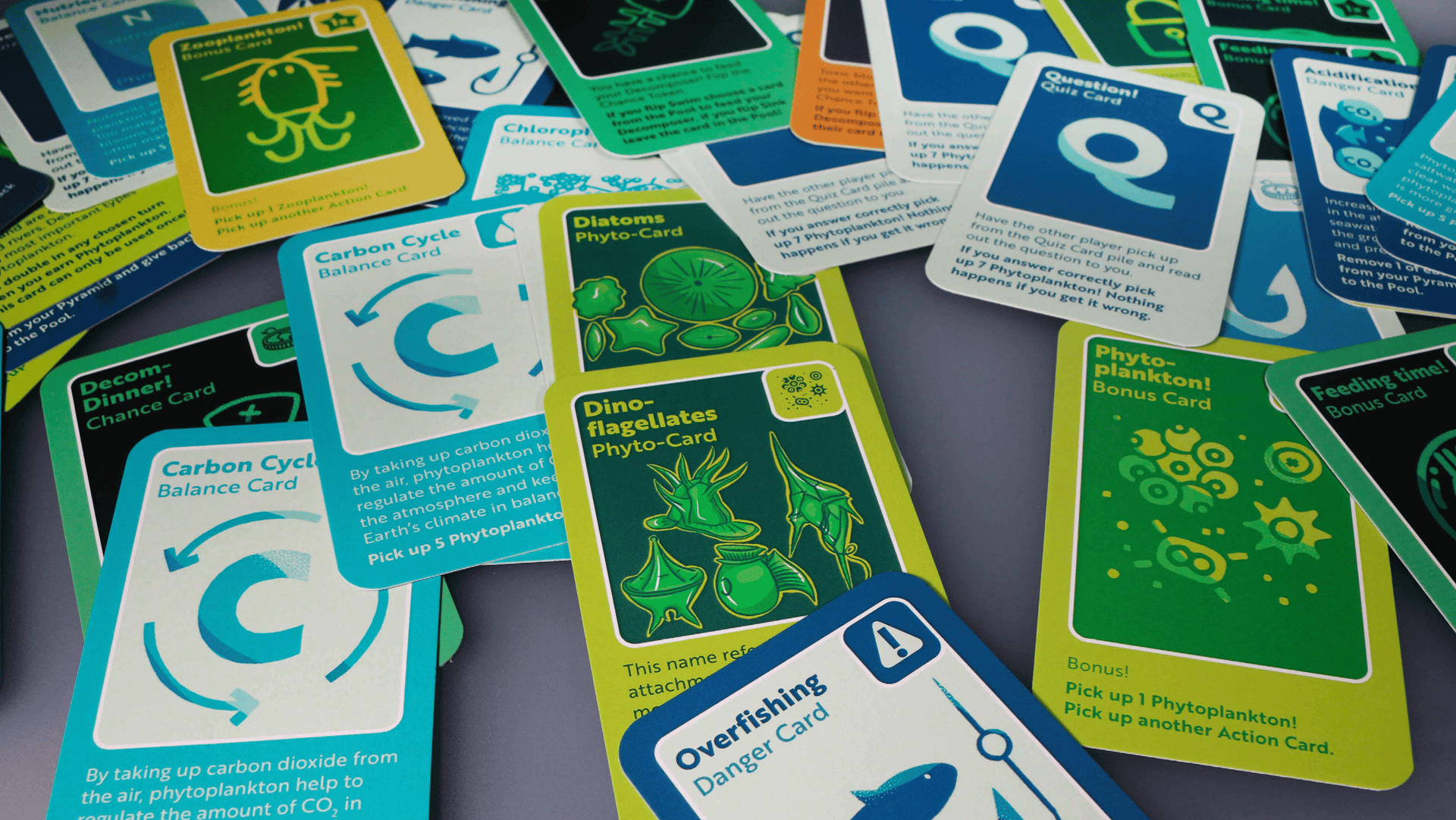
Ripple is a science communication resource designed to educate children aged 12–14 about phytoplankton, their essential role in Earth’s ecosystems, and the impact of climate change on these systems. Winner of Silver at the Best Design Awards 2024.
The challenge was to translate complex ecological concepts such as food webs, energy transfer, and environmental disruption, into a format that is both accessible and engaging for a younger audience. Communicating scientific information in an engaging way required balancing education with play. The content needed to simplify interconnected systems without losing meaning, helping students understand relationships within marine ecosystems and the broader environmental consequences of human activity.
My roles:
In depth research of current market, academic theory, and design response
User testing and development
Complete visual design
Complete mechanics design
Opportunity
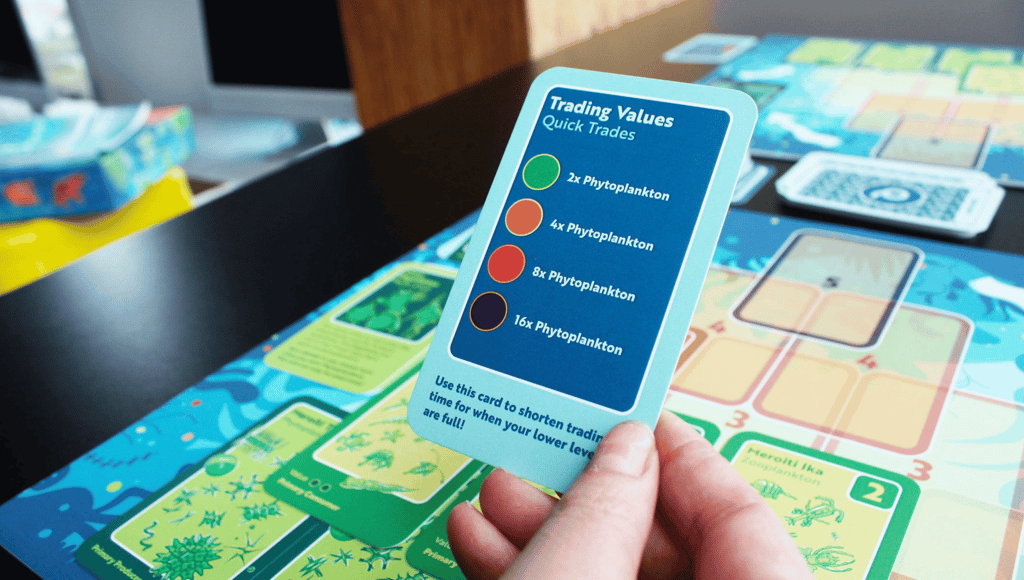
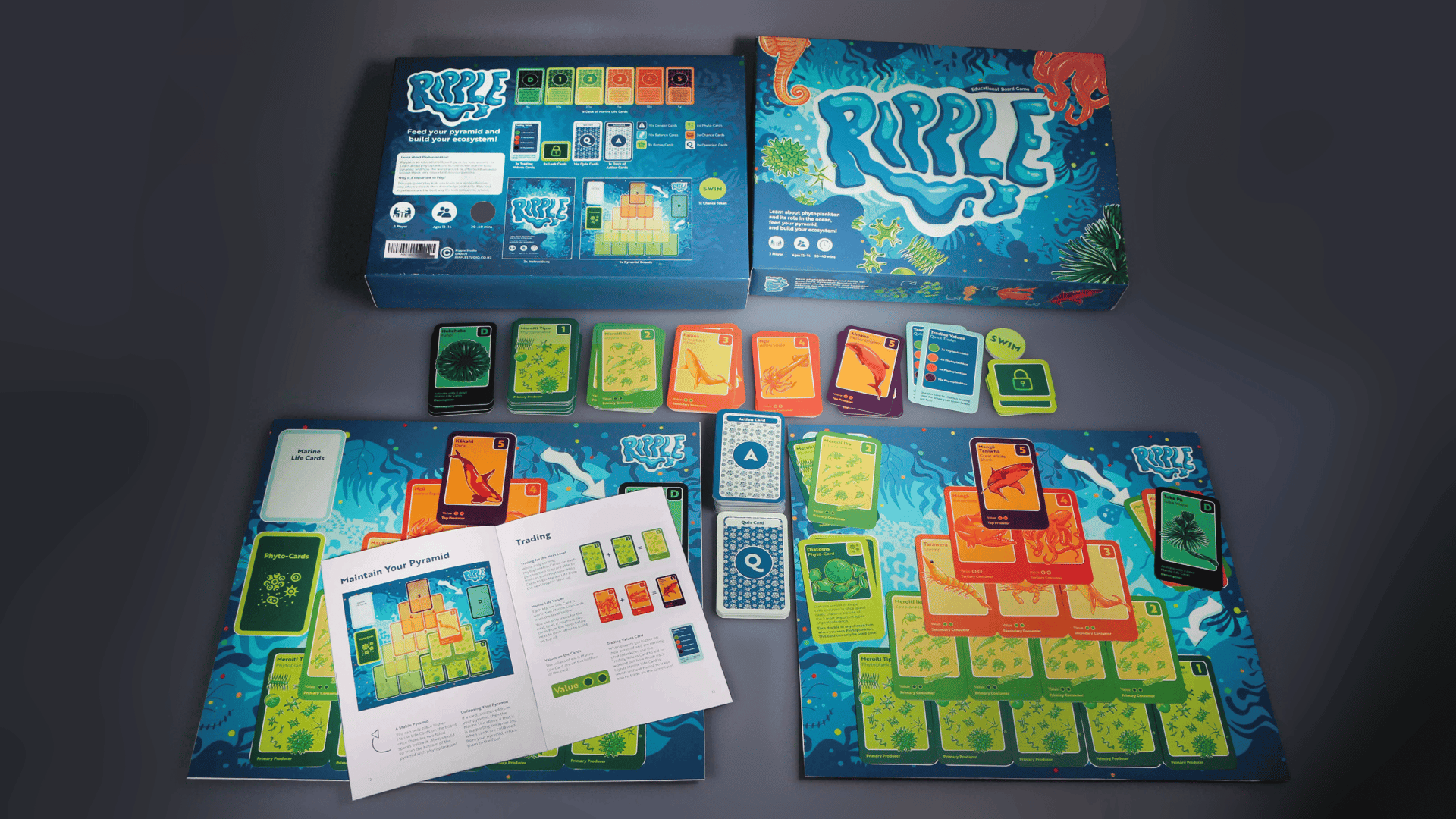
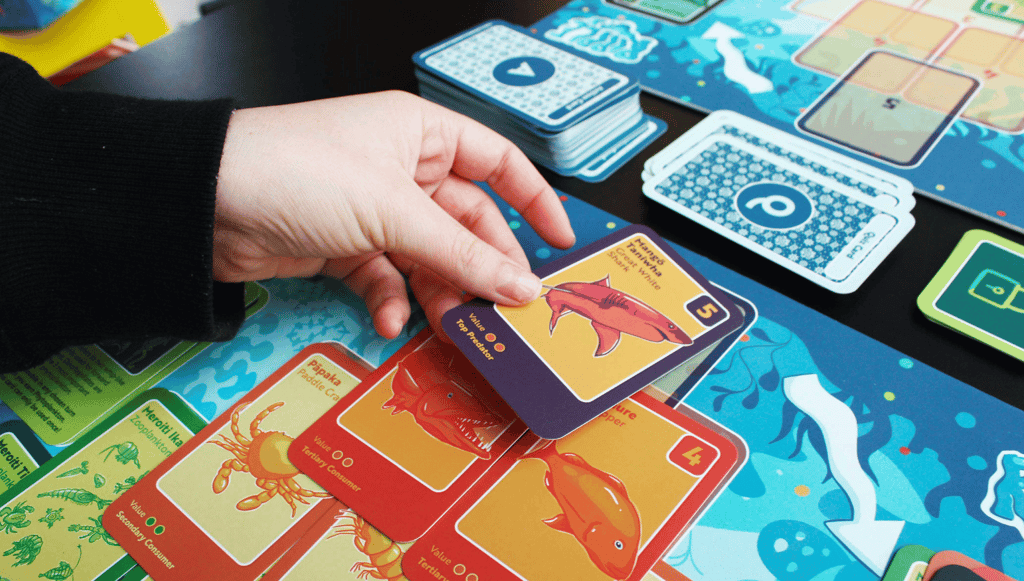
Using game-based design was an opportunity to facilitate learning and engagement. Inspired by the structure of a food pyramid, the gameplay mirrors real-world ecological systems, allowing players to build trophic levels by trading organisms and simulating the transfer of energy through an ecosystem. Through this interactive approach, complex ideas become tangible and easier to grasp. The design encourages curiosity and active participation, supporting knowledge retention through play.
Outcome
Educating children about environmental conservation facilitates the protection of the planet's long-term health. Through engaging kids about their surrounding environment and using their curiosity, educators can give them the tools to make informed decisions and have positive effects on the environment. The overarching narrative of Ripple is informed by Kaitiakitanga – the concept that the environment and people are intrinsically connected. Playing Ripple, kids learn about the complex connections between people, the ocean and those living in it. This narrative approach reinforces not only understanding, but also a sense of responsibility and care for the environment.